


You open the refrigerator to grab something to eat — and immediately notice a strange smell.
The confusing part?
You may have already taken out the trash, wiped the kitchen counters and cleaned the dishes.
So where is that smell coming from?
Refrigerator odors are often caused by something surprisingly simple: forgotten leftovers, spilled liquids, old produce, poorly sealed food or areas that haven't been cleaned in a while.
Before reaching for something that simply covers the smell, it's better to find the source.
Here's how to clean, organize and maintain your refrigerator so it stays fresher — and a few inexpensive kitchen products that can make the job easier.
Start by Finding What's Causing the Smell
Don't start by adding fragrance.
Start by looking for the source.
Take a few minutes to inspect:
-
Leftovers
-
Produce drawers
-
Open containers
-
Sauces and condiments
-
Milk and dairy products
-
Meat storage areas
-
Door shelves
-
Spills underneath containers
Pay particular attention to food hidden at the back of the refrigerator.
That container you forgot about two weeks ago?
It may be the problem.
Discard food that is spoiled or otherwise no longer safe to eat according to appropriate food-safety guidance.
Then you can start cleaning.
Take Everything Out Before You Clean
Trying to clean around bottles, containers and vegetables usually makes the job harder.
Instead, work one section at a time.
Remove the food and any removable shelves or bins that your refrigerator's instructions say can be removed.
This gives you access to spills and crumbs you may not normally see.
You might be surprised by what's hiding underneath the produce drawer.
Make the Job Easier
A small cleaning caddy can keep your supplies together.
Shop Cleaning Caddies on Amazon

You can keep items such as microfiber cloths and compatible cleaning tools in one place.
Shop Microfiber Cleaning Cloths on Amazon

Always follow your refrigerator manufacturer's cleaning instructions, particularly when choosing cleaning products for interior surfaces.
Pay Attention to Shelves, Drawers and Door Seals
The obvious spill isn't always the only area that needs attention.
Crumbs and liquids can collect around:
Shelf edges
Drawer tracks
Door compartments
Corners
Door seals
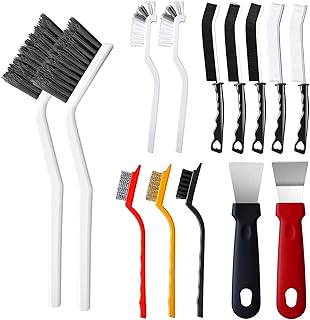
A small detail brush can help reach narrow areas where an ordinary sponge may not fit easily.
Shop Kitchen Detail Cleaning Brushes on Amazon
Don't aggressively scrape or use tools that could damage your refrigerator's surfaces or seals.
Follow the appliance manufacturer's recommendations.
Stop Putting Open Food Back Into the Refrigerator
Once the refrigerator is clean, don't immediately recreate the same problem.
Open bowls, partially covered plates and damaged packages can contribute to spills and odors.
Reusable food-storage containers can make leftovers easier to organize and identify.
Shop Food Storage Containers on Amazon

Clear containers are especially convenient because you can see what's inside without opening everything.
Don't Buy 50 Containers Just Because They Look Good
Think about what you actually store.
For leftovers, medium-sized containers may be more useful.
For sauces and small ingredients, smaller containers make sense.
For meal preparation, matching stackable containers can help save space.
The goal isn't to make your refrigerator look like a social-media photo.
The goal is to make it easier to see and use your food before you forget about it.
Create an “Eat First” Section
This may be one of the simplest refrigerator organization tricks.
Create a small area labeled:
EAT FIRST
Put food there that should be used soon.
For example:
Leftovers from yesterday.
Opened ingredients.
Produce that is getting older.
Food approaching its recommended use date.
Instead of discovering those foods at the back of the refrigerator later, you'll see them every time you open the door.
A small clear refrigerator bin works well for this.
Shop Clear Refrigerator Organizer Bins on Amazon
This isn't just about organization.
It may also help you waste less food.
Use Refrigerator Bins for Categories — Not Everything
Refrigerator organizers are popular because they can make a messy fridge look much more orderly.
But there's a mistake people make:
Buying too many bins.
If every item has to be pulled out of a container before you can reach it, you've created more work instead of less.
Use bins where they solve a real problem.
For example:
Breakfast Bin
Yogurt, breakfast items and compatible refrigerated foods.
Snack Bin
Grab-and-go refrigerated snacks.
Condiment Bin
Smaller bottles and packets.
Eat First Bin
Food that should be used soon.
Shop Refrigerator Organizer Bins on Amazon
Before ordering, measure your refrigerator shelves.
A beautiful organizer isn't useful if it doesn't fit.
Consider a Refrigerator Deodorizer
After you've removed spoiled food and thoroughly cleaned the refrigerator, you may want something to help manage everyday odors.
There are various refrigerator deodorizing products available, including products designed to hold baking soda and other purpose-built refrigerator deodorizers.
Shop Refrigerator Deodorizers on Amazon
Shop Baking Soda Refrigerator Containers on Amazon
Remember:
A deodorizer isn't a substitute for cleaning.
If a strong or unusual odor keeps returning, find the source rather than continuously trying to mask it.
Label Leftovers Before You Forget What They Are
We've all done it.
You put leftovers in a container.
A few days later you open the refrigerator and think:
“When did I make this?”
A simple label can solve that problem.
Shop Food Storage Labels on Amazon
Write down what's inside and the relevant storage date.
This is especially helpful if several people use the same refrigerator or if you regularly meal prep.
You don't need an elaborate labeling system.
Simple and readable is better than complicated.
Don't Overfill Your Refrigerator
A completely packed refrigerator can make it difficult to see what you have.
Food gets pushed toward the back.
Containers disappear.
You buy something you already own.
Then eventually you find both versions weeks later.
Organization starts with visibility.
Try to keep frequently used foods easy to see and avoid turning every shelf into a wall of containers.
Also follow your refrigerator manufacturer's recommendations regarding loading, airflow and temperature settings.
Do a Five-Minute Fridge Check Before Grocery Shopping
Here's one habit that can save you more trouble than buying another organizer.
Before going grocery shopping, spend five minutes checking your refrigerator.
Look for:
What needs to be used soon?
What has run out?
What do you already have?
Are there leftovers that can become tonight's dinner?
Is anything no longer usable?
Then make your shopping list.
This helps prevent buying a third bottle of something while the first two are hiding behind the milk.
A Simple Weekly Refrigerator Routine
You don't need to deep-clean your refrigerator every Sunday.
Instead, create a small maintenance routine.
Before grocery day:
Check leftovers.
Inspect produce.
Wipe obvious spills.
Move older food forward where appropriate.
Check your Eat First section.
Make space for new groceries.
Then periodically perform a more thorough cleaning according to your appliance manufacturer's instructions.
Small maintenance sessions are much easier than dealing with months of accumulated spills and forgotten food.
Useful Amazon Finds for a More Organized Refrigerator
You don't need every refrigerator gadget on Amazon.
Start with the problem you're trying to solve.
Food Keeps Getting Lost
Try clear organizer bins.
Shop Refrigerator Organizer Bins

Leftovers Are Difficult to Organize
Consider stackable food-storage containers.
Shop Stackable Food Storage Containers

You Forget When Food Was Stored
Use simple food labels.

Small Areas Are Difficult to Clean
Consider a detail cleaning brush.
You Want Help Managing Everyday Refrigerator Odors
Look at purpose-built refrigerator deodorizers.

The Bottom Line
A fresh-smelling refrigerator doesn't start with buying an expensive gadget.
It starts with a few simple habits:
Remove old food.
Clean spills before they become difficult to remove.
Store leftovers properly.
Keep food visible.
Create an Eat First section.
Check the refrigerator before buying more groceries.
Then use organizers and storage products only where they make those habits easier.
A refrigerator that's easier to see into is usually easier to manage — and you may end up throwing away less forgotten food along the way.
Shop Refrigerator Organizers on Amazon
Shop Food Storage Containers on Amazon
Shop Refrigerator Deodorizers on Amazon
Shop Kitchen Organization Products on Amazon
Check Sales Aholics Deals for more practical kitchen tips, product guides, useful Amazon finds and shopping deals.
Disclosure: Sales Aholics Deals may earn a commission from qualifying purchases. Prices, product availability and promotions can change. Always follow appliance manufacturers' instructions and appropriate food-safety guidance.
Explore More Savings Topics
Keep browsing verified offers selected for value and relevance.
- Halloween Decorations on Amazon: $20 vs $50 vs $100 — Best Value?
- Black Friday Home Deals: Current Offers and Price Checks
- Budget Laptop Deals for Students: What to Compare
- Back-to-School Tech Deals: A Practical Buying Checklist
- Current Pet Supplies Amazon Deals Compared: A Data-Driven Buying Guide
- Current Baby Amazon Deals Compared: A Data-Driven Buying Guide


Related guides and current deals
Keep exploring helpful guides and offers related to this topic.
 News
Halloween Decorations on Amazon: $20 vs $50 vs $100 — Best Value?
Read this guide
News
Halloween Decorations on Amazon: $20 vs $50 vs $100 — Best Value?
Read this guide
 News
Black Friday Home Deals: Current Offers and Price Checks
Read this guide
News
Black Friday Home Deals: Current Offers and Price Checks
Read this guide
 News
Budget Laptop Deals for Students: What to Compare
Read this guide
News
Budget Laptop Deals for Students: What to Compare
Read this guide
 News
Back-to-School Tech Deals: A Practical Buying Checklist
Read this guide
News
Back-to-School Tech Deals: A Practical Buying Checklist
Read this guide
Compare before checkout. Browse our current deals, then confirm the exact item, seller, coupon, delivery cost, and final total with the retailer.
Learn how our shopping guides are created in the editorial policy and how qualifying links support the site in our affiliate disclosure.

Join the conversation